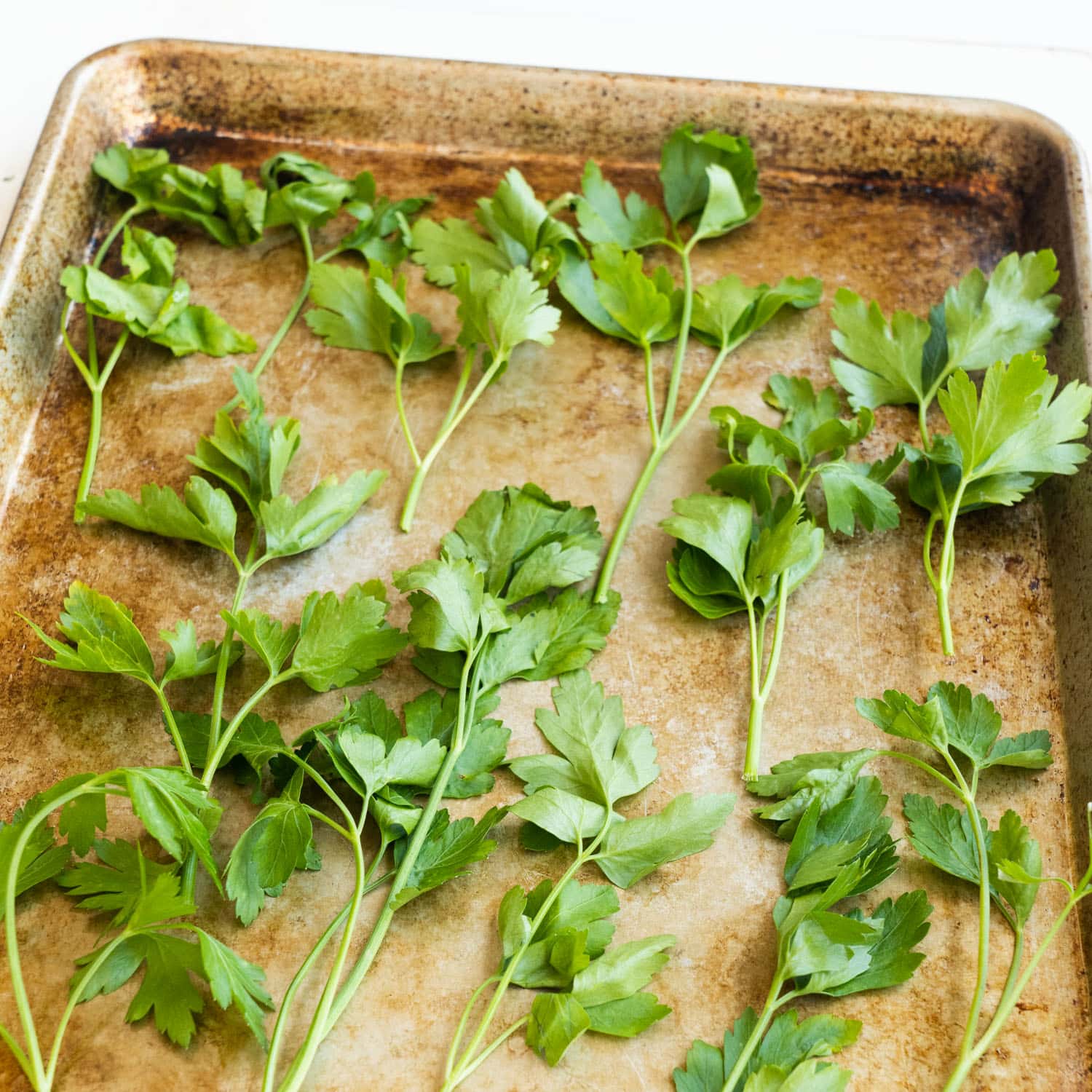
No Dehydrator Needed: Quickly Dry Parsley in Your Oven
Do you ever find yourself with an abundance of fresh parsley, perhaps from a thriving herb garden or a generous haul from the farmers' market? While fresh herbs infuse dishes with unparalleled vibrancy, the reality is that they have a short shelf life. Before those verdant sprigs start to wilt and lose their appeal, there’s a simple, effective solution that prevents waste and ensures you have this versatile herb on hand for months: drying parsley in your oven.
Many home cooks believe that preserving herbs requires specialized equipment like a food dehydrator. The good news? That's simply not true! Your standard kitchen oven, with just a few basic supplies, is perfectly capable of transforming fresh parsley into its dried, concentrated form. This method is quick, efficient, and ensures you capture that signature herbaceous flavor, ready to elevate everything from hearty stews to delicate sauces.
Why Drying Parsley in the Oven is a Game Changer
Beyond simply preventing food waste, oven-drying parsley offers a host of benefits that make it a go-to preservation technique for many home chefs:
- Preserves Flavor and Aroma: While no dried herb can fully replicate the bright punch of fresh, oven drying does an excellent job of retaining parsley's essential oils and aromatic compounds. This means more flavor for your cooking compared to some other drying methods.
- Cost-Effective: Buying fresh parsley in bulk, especially when it's in season, is often cheaper. Drying allows you to capitalize on these savings and avoid purchasing smaller, more expensive dried varieties from the grocery store.
- Convenience at Your Fingertips: Imagine reaching into your pantry and grabbing a jar of perfectly dried parsley whenever a recipe calls for it, without needing to rush to the store or worry about wilting fresh bunches. This instant availability makes weeknight cooking much smoother.
- Reduces Waste: This is arguably the biggest benefit. Instead of tossing unused, limp parsley, you're giving it a new, extended life. This sustainable practice helps you make the most of your produce and your efforts. If you're passionate about reducing food waste, learning how to dry parsley in the oven to preserve freshness for months is an invaluable skill.
- No Special Equipment Needed: Unlike complicated canning or freezing methods that might require specific tools, drying parsley in the oven uses equipment you likely already own.
Getting Started: Essential Ingredients and Equipment
One of the beauties of learning how to dry parsley in the oven is its simplicity. You don't need a professional setup; just a few kitchen staples will suffice. Here’s what you’ll gather:
The Star Ingredient: Fresh Parsley
For the best results, start with the freshest parsley you can find. Look for vibrant green leaves without any yellowing, wilting, or brown spots. Both flat-leaf (Italian) parsley and the curly variety work beautifully for oven drying, though many culinary enthusiasts prefer flat-leaf for its more robust flavor.
Expert Tip: If you're harvesting from your garden, pick your parsley in the morning after the dew has dried but before the sun is at its hottest. This helps maximize its aromatic oils.
Minimal Equipment
Forget the fancy gadgets. All you truly need are:
- A Baking Tray or Cookie Sheet: Any standard size will do.
- Parchment Paper: While not strictly essential if your baking sheet is non-stick, parchment paper offers several advantages. It prevents sticking, makes cleanup a breeze, and provides a convenient way to transfer your dried herbs into storage containers. Plus, you can often reuse it!
- Your Oven: The star of the show!
- Optional (but Recommended): A salad spinner for efficient drying, clean kitchen towels or paper towels, and an airtight container for storage.
Step-by-Step Guide: How to Dry Parsley in the Oven
Drying parsley in the oven is remarkably straightforward. Follow these steps for perfectly preserved, flavorful herbs every time:
Step 1: Clean and Dry Your Parsley Thoroughly
This initial step is crucial. Rinse your fresh parsley under cold running water to remove any dirt, insects, or debris. Inspect the bunches and discard any soft, discolored, or damaged leaves and stems. You want only the brightest, healthiest green pieces.
Once rinsed, the parsley must be completely dry. Excess moisture can lead to steaming rather than drying, or even worse, mold. Gently pat the parsley dry with clean kitchen towels or paper towels. For maximum efficiency, a salad spinner works wonders, removing most of the surface water in seconds.
Why it matters: Proper drying prevents "cooking" the parsley in the oven, ensuring it crisps up rather than wilting into a damp mess. It also inhibits mold growth during storage.
Step 2: Arrange the Parsley on Your Baking Tray
Line your baking tray or cookie sheet with parchment paper. This creates a non-stick surface and makes transferring the dried parsley effortless.
Spread the clean, dry parsley evenly across the parchment-lined tray in a single layer. Avoid overcrowding, as this can trap moisture and result in uneven drying. If you have a large batch, it's better to use multiple trays or dry them in batches.
Note on Stems: You can leave the parsley stems attached. They will dry along with the leaves. After drying, you can easily remove the larger, tougher stems before crumbling the leaves.
Step 3: Bake in a Warm Oven Until Crumbly
This is where your oven works its magic. The goal is low, consistent heat to gently dehydrate the parsley without cooking or burning it.
Preheat your oven:
- For fan-assisted ovens: Set your oven to its lowest temperature, typically around 170 ºF (75 ºC). The fan helps circulate warm air, ensuring even and efficient drying.
- For conventional ovens (without a fan): Increase the temperature slightly to 200 ºF (95 ºC). Without the fan, a slightly higher temperature helps compensate for less even heat distribution.
Place the baking tray with the parsley into the preheated oven. The drying time can vary depending on your oven and the moisture content of your parsley, but generally, it will take anywhere from 20 to 60 minutes. Begin checking after about 20-30 minutes, and then every 5-10 minutes thereafter.
How to tell it's done: The parsley is perfectly dried when the leaves are brittle and easily crumble between your fingertips. They should still retain their vibrant green color. If they turn brown or black, they've been overcooked.
Using Residual Heat (Energy-Saving Tip): For an incredibly energy-efficient approach, you can utilize the residual heat from a recently used oven. After you've finished baking something else, turn the oven off (or down to its lowest setting if you're concerned about heat loss). Place your parsley inside and let it dry slowly as the oven cools. Check frequently, as drying times will be extended.
Step 4: Cool and Crumble Your Dried Parsley
Once the parsley is brittle, remove the tray from the oven and let the dried leaves cool completely on the baking sheet. Cooling helps them crisp up further and prevents condensation when stored.
Once cool, transfer the dried parsley to a small bowl. Use your fingers to gently crumble the leaves into small pieces. At this stage, you can easily separate and discard any larger, tougher stems that didn't crumble.
For a finer texture: If you desire a finer, more uniform consistency, rub the crumbled parsley through a mesh strainer or a fine-mesh sieve.
Storing Your Homemade Dried Parsley
Proper storage is essential to maintain the flavor and potency of your homemade dried parsley for as long as possible. When stored correctly, your oven-dried parsley can last up to six months, and sometimes even longer.
- Airtight Containers: The enemy of dried herbs is air and moisture. Store your dried parsley in airtight containers, such as glass jars or mason jars with tight-fitting lids.
- Dark, Dry Place: Light and heat can degrade the flavor and color of dried herbs over time. Keep your containers in a cool, dark pantry or cupboard, away from direct sunlight or heat sources (like the stove).
- Check for Dryness: If your parsley wasn't thoroughly dried before storage, you might notice condensation inside the jar, or the herbs may feel soft rather than crisp. If this happens, spread them back on a baking sheet and return them to a low oven for a bit longer until fully dry to prevent mold.
Tips for Success and Maximizing Flavor
- Don't Rush the Process: While this method is quick, patience with the low oven temperature is key. High heat will cook your parsley, turning it brown and removing its delicate flavor.
- Monitor Closely: Ovens can vary. Get to know how your specific oven handles the lowest temperature settings. Always keep an eye on the parsley, especially during the latter part of the drying process, to prevent burning.
- Experiment with Other Herbs: This oven-drying technique isn't just for parsley! It works wonderfully for other delicate-leafed herbs like dill, mint, and cilantro.
- Boost Flavor in Cooking: Homemade dried parsley offers a more intense flavor than its store-bought counterparts. Remember that dried herbs are more concentrated than fresh herbs, so use about one-third of the amount specified for fresh in recipes (e.g., 1 teaspoon dried for 3 teaspoons fresh).
Conclusion
There's immense satisfaction in preserving your own food, and learning how to dry parsley in the oven is an incredibly rewarding and practical skill. It’s an effortless way to extend the life of your fresh herbs, prevent food waste, and ensure you always have that beloved herbaceous flavor ready to enhance your culinary creations. So, the next time you find yourself with an abundance of fresh parsley, skip the dehydrator and turn to your trusty oven. You’ll be amazed at how simple and effective it is to create your own supply of delicious, homemade dried parsley!
